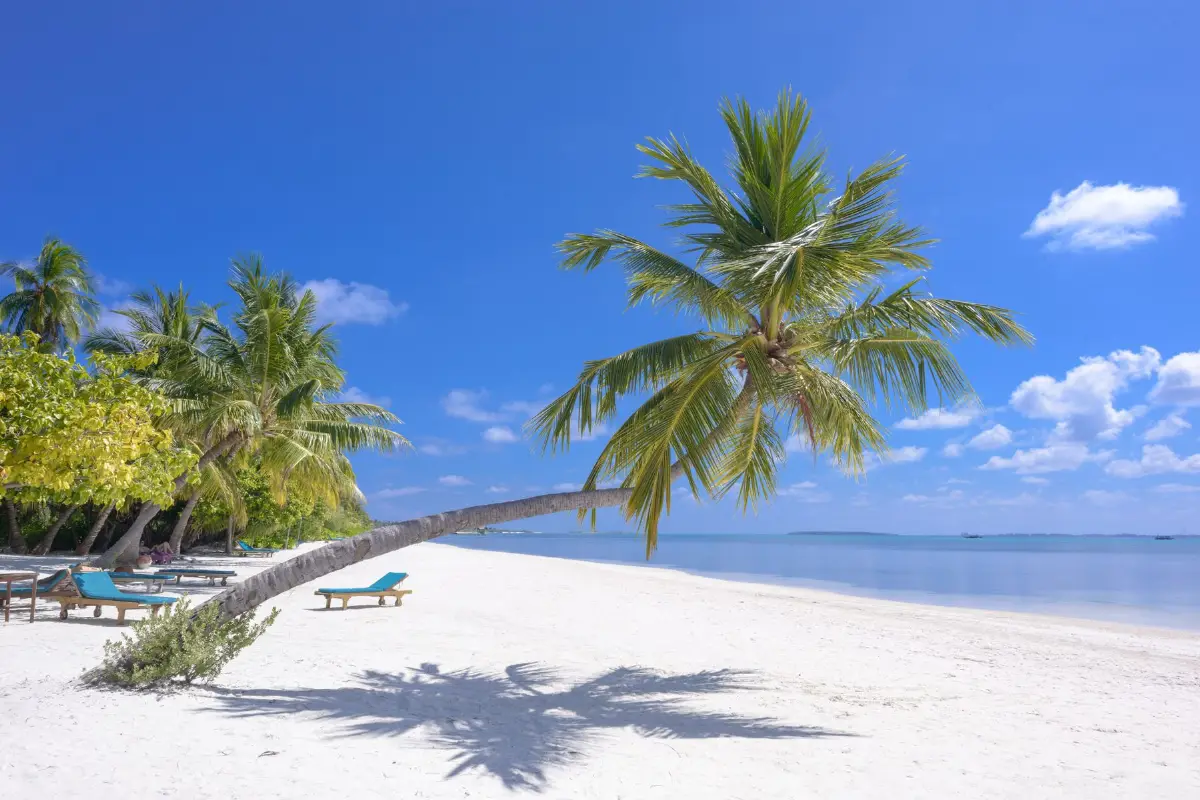
The first question we get about Zanzibar is always the same: "Is it true the ocean disappears?". It is. Twice a day the tide pulls the water out by hundreds of metres, and the turquoise lagoon becomes a sand flat where locals gather seaweed and shells. Six hours later the water is back, as if nothing had happened.
That detail is not a flaw — it is the key to the whole island. On the east coast (Paje, Jambiani) the tide is a daily spectacle and the engine of the kitesurfing scene; on the north coast (Nungwi, Kendwa) the water stays deep and you can swim at any hour. There is no "better" beach — there is the right beach for your kind of holiday. Which is exactly why, before any offer, we ask what your perfect day at the sea looks like.
Zanzibar is not a beach with an island behind it. It is an island with a continent's worth of history — and beaches.
Stone Town deserves a full day, not a stop on the way to the airport. The old town, a UNESCO site, is a maze of alleys where Africa, Arabia and India mix: carved doors studded with brass spikes, the night bazaar in the Forodhani gardens, the house where Freddie Mercury was born. Hire a local guide for two or three hours — the alleys only tell their stories through a translator.
The spice road is the second obligatory stop. In the 19th century Zanzibar was the world's largest exporter of cloves, and the spice farms at the centre of the island can still be visited: you tear a leaf, rub it in your palms and guess what it is — cinnamon, cardamom, vanilla, nutmeg. It is the kind of trip that sounds touristy and turns out, almost every time, to be the highlight of the week.
Safari blue, in moderation. The classic boat trip — sandbanks, snorkelling, grilled seafood — is worth it, but the crowds vary wildly by operator. The private versions with an early start see the same places without the flotilla behind. The price difference is small; the difference in experience, large.
When to go: June–October is the austral winter — 27 degrees, dry air, cool evenings. December–February is hotter and more humid, but still excellent. Only April–May, the long rains, is worth avoiding — many hotels simply close.
And since you are crossing half the planet anyway: Zanzibar combines naturally with a safari in mainland Tanzania. Three nights in the Serengeti or Ngorongoro before the beach turn a holiday into a journey you will retell for years. Ask us for the combined version — it is the house speciality.
 From the journal to real life
Holidays in Zanzibar
Price 1.385 €
See the packages
From the journal to real life
Holidays in Zanzibar
Price 1.385 €
See the packages